600 m
1 km
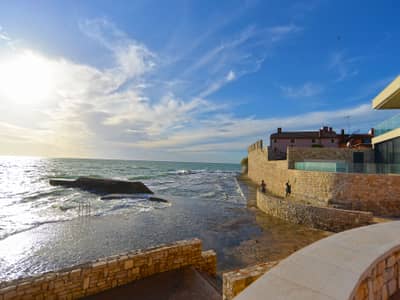
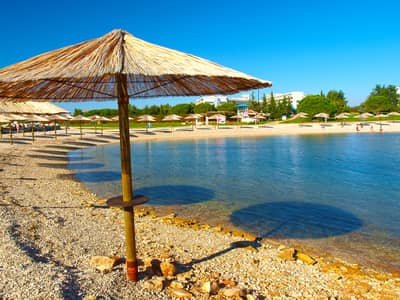
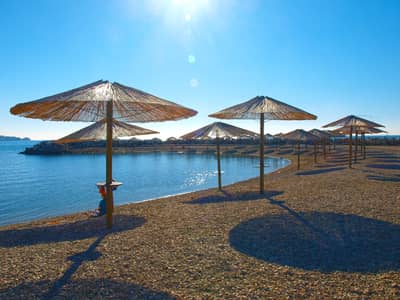
The accommodation is 1000 m from the town center Novigrad, and 600 m from the sea. The nearest beach is Pláž Town beach Novigrad. The type of beach where you can swim and sunbathe is Štěrkovitá, Betonové desky which distance from the property is 600 m.
As the house is divided into several accommodation units, other guests will most likely be present during your stay.
The hosts will be in residence during your holiday.
Try your hand at barbecuing because this house has Grill. Did you know that fish swims three times? In the sea, oil and wine.
Guests can also use the parking lot adjacent to the house, however it is necessary to check availability in advance.
Internet use is in this house included in the price.
Enjoy your morning coffee and the first rays of sunshine on the balcony/terrace.
První pomoc, Jiné sportovní terény, Benzinová pumpa pro auto, Restaurace, Obchod can be reached by a walk.
More than a kilometer away you can find: Pošta, Diskotéka, Hotelový bazén.
Spend long, sunny days by the water, jump into the crystal clear sea and watch the most beautiful sunsets on the horizon. So look forward to a relaxing vacation under the Croatian sun.

Rezervace a dostupnost
Zkontrolujte ceny a dostupnost a vyberte si svůj apartmán
Generál
Poloha
-
Místo:Klidné místo, V obydleném místě
-
Objekt je obklopen zelení:Vysoká
-
Objekt se nachází na samotě
-
Mezi objektem a pláží se nachází hlavní silnice
-
Možný přístup automobilem
-
Objekt se nachází u pláže
-
Nejbližší pláž:Oblázková
-
Vstup do moře:Krátká mělčina
Vzdálenosti
Objevte destinaci Novigrad
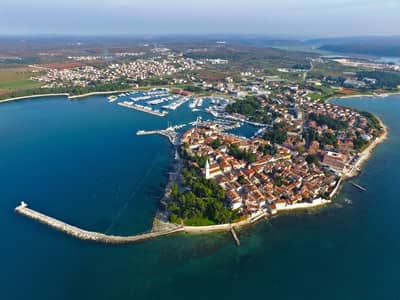
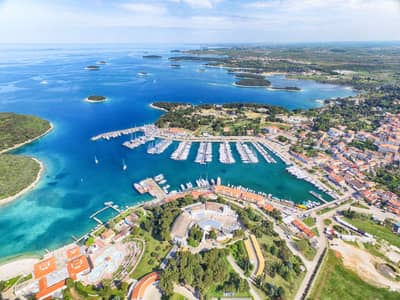
Novigrad is a small fishing romantic town, located at the mouth of the river Mirna, on the north- western part of the Istria. Originally, it was Greek and then became a Roman colony. In the Byzantine period (6th century) it was expanded and given the name Neopolis. In the year 1270 it was subjected to the Venetian rule. It is known that in the past, the area of Novigrad and Brtonigla was very rich with beautiful oak trees. The traces of the Venetian authorities can be seen façades of houses in narrow streets that lead to the main square. In order to defend itself the city walled in the 13th century but couldn't resist the Turkish attack in 1687 when it was partially destroyed. The attack was aimed at the conquest of Vienna. After the short Napoleon Rule it started the Rule of the Habsbursg till the beginning of the 20th century, after which came under the Italian Government till the end of IIWW when Novigrad became part of Yugoslavia, till the independence of Croatia.
Pláže
Town beach Novigrad
Maestral
Laguna
03
Co vidět a dělat
Maestral
Belvedere
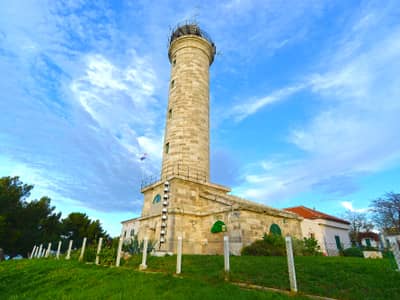
Savudrija
Savudrija je malé město pouhých 9 kilometrů od Umagu. Jeho dominantou je maják vybudovaný na počest lásky mezi rakouským šlechticem a místní dívkou. Oblast je známá častým výskytem historických nálezů z dob antiky a středověku.
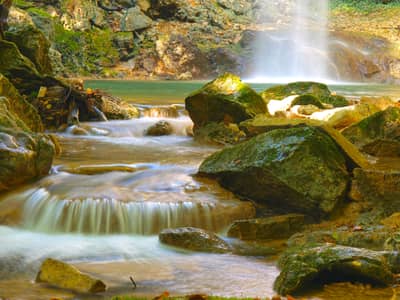
Butori ponor
Waterfall is fenced, and the path to its base is decorated and protected by a fence so that you can easily put down. Slap on the river Arđila and below the falls and gorge.
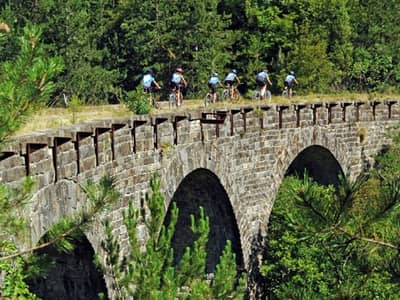
Parenzana
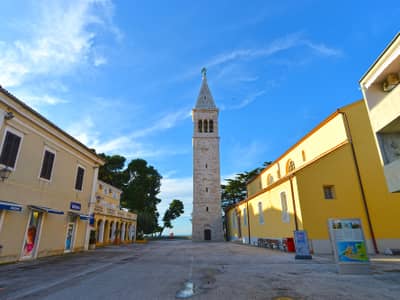
Zvonik Novigrad
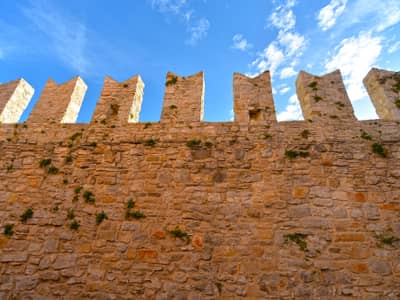
City walls Novigrad
They were the work of local master builders, which, in lengthy and persistent labour, at first constructed low defensive fortifications, and later, in their traditional manner, erected high walls with the characteristic battlements, made of cut quarrystone. The walls were renewed repeatedly. An older square tower stands next to the former city gate, while the round towers stem from the Renaissance. The latest restoration works on wall fragments lining Prolaz Venecija and the seashore side of the Brolo Park were carried out in 2004/05.
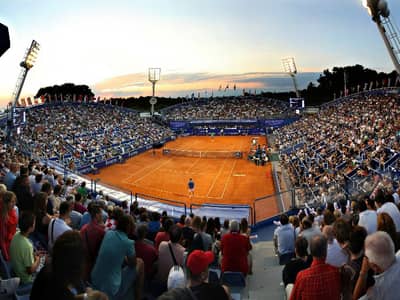
Tennis Umag
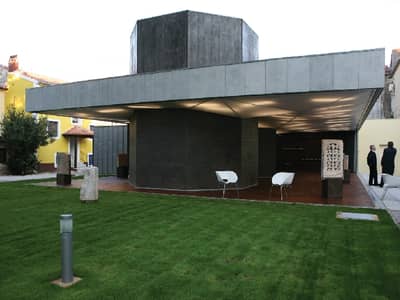
Lapidarium Novigrad
The museum collection comprises architectural elements (door sills, lintels, openwork window panels, coats of arms, etc.) and to a large degree liturgical inventory (altar plates, ciboria fragments, pilasters, capitals, etc.), originating from between the 1st and the 18th century. The most significant holdings of the Novigrad Lapidarium Museum belong to the collection from the Early Middle Ages, including the well-preserved Mauritius Ciborium from the end of the 8th century, a rare example of Early Carolingian art in the region. Between 1964 and 1993, the collection was housed on the ground floor of the Rigo Palace. From 1994 to 1998, it was in storage, and during this time the exhibits were conserved and restored. Today, the valuable collection is housed in the Lapidarium Museum, where its most outstanding pieces are on permanent display. The museum building was designed by the Randiæ- Turato architectural office from Rijeka and constructed in 20032006. Representing a successful combination of the old and the new, with its modern concept the building not only provides a suitable frame for the exhibits, but also contributes to the revitalization of the city centre.
09